

In today’s fast-paced world, finding peace and simplicity can feel like an elusive dream. Zen living offers a refreshing approach, encouraging individuals to embrace mindfulness and tranquility in their daily lives. By focusing on the present moment and letting go of distractions, it cultivates a sense of inner calm that many crave.
This lifestyle isn’t just about minimalism or decluttering; it’s a holistic way of living that nurtures mental clarity and emotional well-being. Through practices like meditation and intentional living, individuals can transform their environments and minds, leading to a more fulfilling existence. Discover how embracing zen living can lead to profound changes in one’s life, promoting balance and harmony in every aspect.
What Is Zen Living?
Zen living embodies a lifestyle focused on simplicity, mindfulness, and tranquility. It’s a holistic approach that fosters emotional well-being and mental clarity through intentional practices. Zen living emphasizes being present in each moment, promoting awareness of thoughts and feelings while minimizing distractions.
Zen living aligns closely with concepts found in Buddhism, particularly the Zen school, which encourages practitioners to engage deeply with their surroundings. This lifestyle strives for balance across various life aspects, including work, relationships, and personal growth. Individuals pursuing Zen living often incorporate elements such as meditation, yoga, and minimalism into their daily routines.
Practices integral to Zen living include:
- Meditation: Regular meditation enhances self-awareness and promotes inner peace.
- Mindful Eating: Eating with intention encourages gratitude and appreciation for food.
- Nature Connection: Spending time outdoors restores mental balance and rejuvenates the spirit.
- Decluttering: Simplifying one’s living space reduces stress and fosters clarity.
Zen living cultivates an environment where individuals can thrive, experiencing reduced anxiety and increased happiness. Through commitment to mindfulness and intentional actions, this lifestyle inspires profound changes that enhance overall quality of life.
Principles of Zen Living
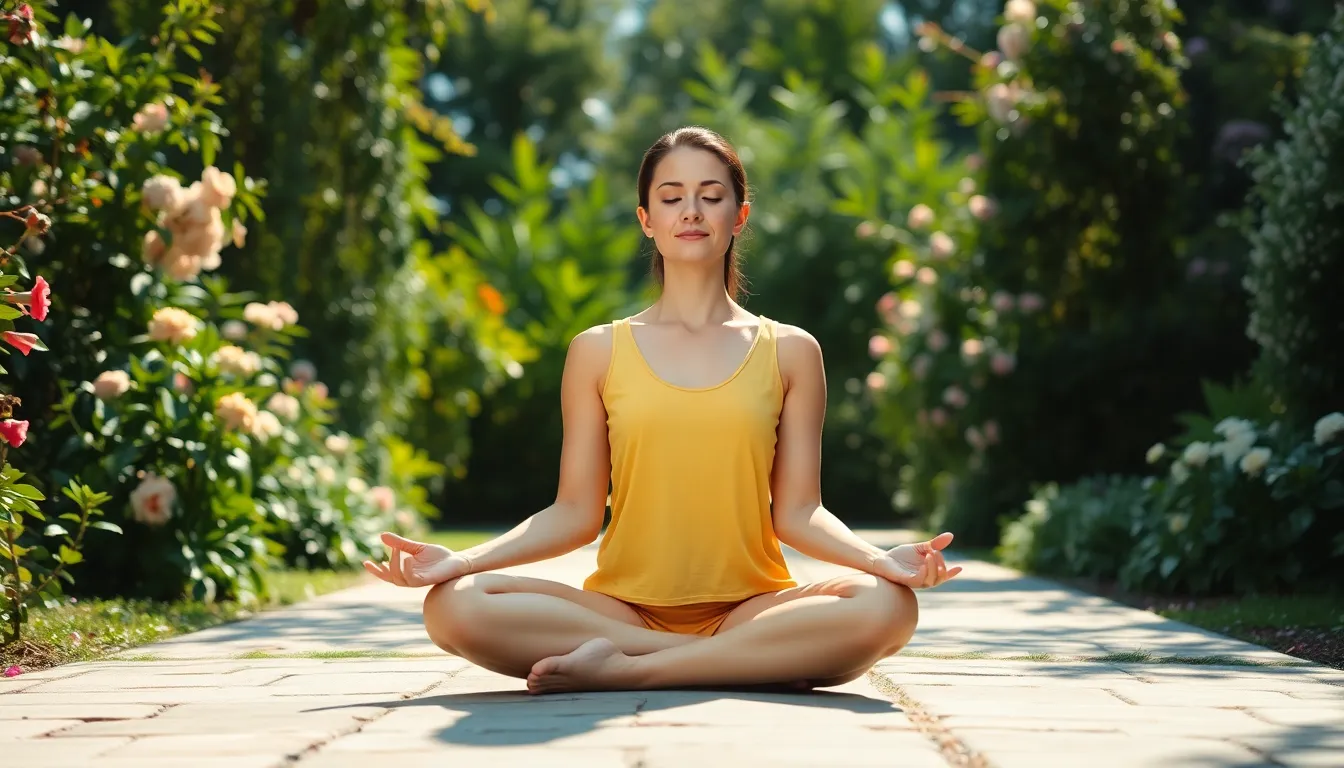
Zen living centers around key principles that foster peace, simplicity, and balance. Mindfulness, simplicity, and harmony with nature serve as essential components for achieving a tranquil lifestyle.
Mindfulness
Mindfulness in Zen living emphasizes being fully present in each moment. Practicing mindfulness enhances self-awareness, allowing individuals to observe thoughts and emotions without judgment. Techniques such as meditation, deep breathing, and mindful walking encourage focus and clarity, reducing stress and promoting emotional well-being. Daily mindfulness practices cultivate gratitude and appreciation for life’s simple pleasures, leading to a more fulfilling existence.
Simplicity
Simplicity in Zen living encourages individuals to declutter their physical and mental spaces. Minimalism extends beyond material possessions; it includes simplifying daily routines and commitments. By doing so, individuals reduce distractions and find clarity. Intentional living fosters a deeper connection to life’s essentials, underscoring the importance of quality over quantity in relationships and experiences. Embracing simplicity promotes inner peace and reduces anxiety.
Harmony with Nature
Harmony with nature forms a cornerstone of Zen living, encouraging individuals to connect with the natural world. Engaging with nature through outdoor activities fosters relaxation and rejuvenation. Activities such as gardening, hiking, or simply spending time outdoors enhance mental clarity and well-being. Nature serves as a reminder of life’s cycles and encourages appreciation for beauty. A harmonious relationship with the environment strengthens emotional resilience and fosters a sense of belonging.
Benefits of Zen Living
Zen living offers numerous benefits that enhance mental and emotional health. By integrating mindfulness and simplicity into daily routines, individuals experience transformative effects on their overall well-being.
Improved Mental Well-being
Improved mental well-being arises from the principles of Zen living. Regular meditation practices promote stress reduction, leading to decreased anxiety and a calmer mind. Mindful activities such as conscious breathing and awareness exercises foster resilience against negative thoughts. Engaging with nature supports mental rejuvenation, providing a tranquil environment conducive to relaxation. Research by the American Psychological Association indicates that mindfulness decreases depressive symptoms, enhancing emotional stability.
Enhanced Focus and Clarity
Enhanced focus and clarity emerge from the intentional living that Zen promotes. Reducing distractions through decluttering physical and mental spaces allows individuals to concentrate on present tasks. Mindfulness techniques improve attention span, making it easier to engage fully in daily activities. A study from Harvard University found that practicing mindfulness leads to increased cognitive flexibility, enabling individuals to adapt more effectively to new challenges. This heightened focus contributes to improved productivity, creativity, and satisfaction in both personal and professional domains.
Implementing Zen Living Practices
Implementing Zen living practices fosters tranquility and clarity. Individuals can integrate key techniques into their daily routines to enhance mindfulness, simplicity, and harmony.
Meditation Techniques
Meditation serves as a cornerstone of Zen living. Individuals practicing different techniques can experience enhanced self-awareness and emotional resilience. Common techniques include:
- Breath Awareness: Focusing on natural breath enables one to ground themselves in the present moment.
- Guided Visualization: Using visualizations fosters relaxation and deeper mental engagement.
- Body Scan: Acknowledging physical sensations promotes mental clarity and reduces stress.
- Mindful Walking: This movement meditation emphasizes awareness of each step, connecting the body and mind.
Each technique contributes to reduced anxiety and heightened mindfulness.
Decluttering Your Space
Decluttering creates a peaceful environment, critical for Zen living. A clean, organized space promotes mental clarity. Effective decluttering strategies include:
- The 30-Day Minimalism Game: Each day of the month, discard items that no longer serve a purpose, starting with one item on day one and increasing daily.
- One In, One Out Rule: For every new item brought into the home, remove one item to maintain balance.
- Categorizing Items: Sort belongings into keep, donate, or discard piles, making the process systematic and manageable.
Implementing these strategies cultivates a serene living space, reducing distractions and enhancing focus.
Connecting with Nature
Connecting with nature supports emotional well-being and mental clarity. Nature immersion offers various benefits, including:
- Nature Walks: Regular walks in natural settings promote physical movement and mental rejuvenation.
- Gardening: Engaging in gardening activities fosters mindfulness and a sense of accomplishment.
- Outdoor Meditation: Practicing meditation outdoors allows individuals to benefit from fresh air and natural sounds.
Spending time in nature enhances emotional resilience and cultivates a deeper connection to the environment, essential aspects of Zen living.
Challenges in Adopting Zen Living
Adopting Zen living introduces several challenges that can hinder an individual’s progression toward tranquility and mindfulness.
Distractions from Daily Life
Distractions from technology, social obligations, and constant notifications disrupt focus. Individuals often find it hard to disconnect from devices, leading to reduced engagement in mindfulness practices.
Resistance to Change
Resistance to change manifests when individuals are accustomed to their routines. Transitioning to a simpler, more intentional lifestyle can feel overwhelming, as it disrupts established patterns, making it challenging to embrace Zen principles fully.
Difficulty in Maintaining Consistency
Maintaining consistency in practicing mindfulness can be tough. People may struggle to integrate meditation and decluttering into their daily routines, often reverting to past habits that contribute to stress.
Misconceptions about Zen Living
Misconceptions about Zen living can create barriers. Many individuals believe Zen living requires extensive knowledge of Buddhism or that it necessitates complete detachment from material possessions. Such beliefs can deter them from exploring Zen principles practically.
Balancing Responsibilities
Balancing responsibilities with Zen practices proves challenging for those with demanding schedules. Prioritizing time for meditation, self-reflection, and connection with nature often takes a back seat to work and other obligations.
Emotional Resistance
Emotional resistance may arise when confronting stressors and negative thoughts. Individuals often find it easier to avoid these feelings rather than address them through mindfulness. This avoidance hampers personal growth and emotional resilience.
Social Pressure
Social pressure can impact an individual’s journey toward Zen living. Friends and family may not share the same commitment to simplicity and mindfulness, leading to feelings of isolation or judgment.
Overcoming these challenges requires patience and commitment, gradually paving the way to a more fulfilling Zen lifestyle.
Embracing Zen living offers a pathway to a more peaceful and fulfilling life. By prioritizing mindfulness and simplicity, individuals can cultivate an environment that nurtures emotional well-being and mental clarity. The practices highlighted encourage a deeper connection with oneself and the surrounding world, fostering resilience against stress and distractions.
As one navigates the challenges of modern life, integrating Zen principles can lead to transformative experiences. With patience and commitment, anyone can embark on this journey toward tranquility, discovering the profound benefits of living intentionally. Ultimately, Zen living is not just a lifestyle; it’s a commitment to nurturing a harmonious existence that enhances overall quality of life.

