

In today’s fast-paced work environment, effective teamwork is more crucial than ever. Team building isn’t just a buzzword; it’s a vital strategy that fosters collaboration, boosts morale, and enhances productivity. When team members connect on a deeper level, they’re more likely to communicate openly and tackle challenges together.
Organizations that invest in team-building activities often see significant improvements in workplace culture. From icebreakers to structured retreats, these activities help break down barriers and build trust. As teams grow closer, they become more resilient and innovative, ready to face the complexities of their projects with a united front. Embracing team building can transform not just the team, but the entire organization.
What is Team Building?
Team building refers to a range of activities and exercises designed to enhance collaboration and cooperation among team members. This strategic approach aims to foster strong relationships, trust, and communication within a group, leading to improved overall performance.
Team building can include various activities, from informal social gatherings to structured retreats. These interventions often focus on problem-solving, team-oriented exercises, and skill-building workshops that align with the organization’s goals.
Engaging in team-building sessions helps break down barriers, leading to a more inclusive and supportive work environment. Organizations that prioritize team building often experience increased morale, higher job satisfaction, and enhanced productivity, as employees feel more connected and empowered to contribute collaboratively.
Team building supports the development of essential skills such as conflict resolution, leadership, and adaptability. As members work together in diverse scenarios, they learn to communicate effectively, manage different perspectives, and cultivate a sense of belonging, ultimately driving success for both the team and the organization.
Importance of Team Building
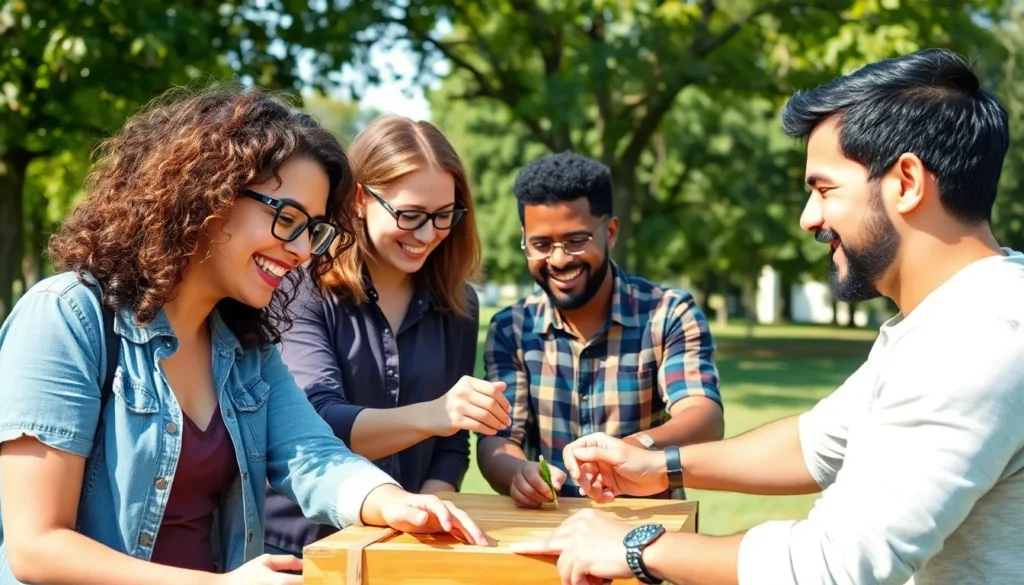
Team building significantly contributes to the effectiveness of teams in the workplace. It creates strong bonds, fostering collaboration and maximizing productivity.
Enhancing Communication
Effective team building enhances communication among team members. Engaging in activities that focus on open dialogue leads to improved information sharing and understanding. Structured exercises, such as workshops and role-playing scenarios, allow team members to practice active listening and constructive feedback. Clear communication helps eliminate misunderstandings, ensuring team members remain aligned with project goals and objectives.
Building Trust
Trust is a fundamental component of successful teamwork. Through team-building exercises, individuals can develop personal connections that promote reliability and support. Activities aimed at breaking down hierarchies encourage vulnerability, allowing team members to share ideas without fear of criticism. Trust fosters an environment where collaboration flourishes and team members feel comfortable taking initiative, ultimately resulting in enhanced team performance.
Types of Team Building Activities
Team building activities can be categorized into various types, each serving distinct purposes in enhancing collaboration and fostering connections among team members. Here are some key categories.
Indoor Activities
Indoor activities focus on collaboration and problem-solving within a controlled environment. These activities often include:
- Workshops: Interactive sessions where team members learn new skills, discuss strategies, or tackle specific challenges.
- Icebreakers: Short games or questions designed to spark conversation and ease tension among team members.
- Escape Rooms: Problem-solving exercises that require teams to work together to solve puzzles and escape within a set time.
- Team Lunches: Casual gatherings that encourage informal interactions, promoting camaraderie while enjoying a meal together.
- Role-Playing: Simulated scenarios that help team members practice communication, negotiation, or conflict resolution skills.
Outdoor Activities
Outdoor activities leverage nature and physical challenges to strengthen teamwork and enhance communication. Key examples include:
- Team Sports: Events like soccer, volleyball, or softball that encourage friendly competition and collaboration.
- Scavenger Hunts: Interactive challenges that promote teamwork as groups search for items or complete tasks around a designated area.
- Ropes Courses: Physical challenges that require trust and cooperation, pushing team members to rely on one another while overcoming obstacles.
- Camping Retreats: Multi-day excursions that foster bonding through shared experiences, outdoor activities, and team-building exercises.
- Community Service: Volunteering together as a team not only builds camaraderie but also strengthens the team’s sense of purpose and social responsibility.
These activities nurture relationships and enhance productivity, laying the groundwork for a more cohesive and effective team dynamic.
Best Practices for Effective Team Building
Effective team building relies on strategic practices that foster collaboration and engagement. The following best practices support successful team dynamics.
Setting Clear Goals
Setting clear, measurable goals ensures team members understand their roles and objectives. Goals provide direction and allow for assessing progress, which motivates teams. Utilizing the SMART criteria—Specific, Measurable, Achievable, Relevant, and Time-bound—helps refine goals. Engaging team members in the goal-setting process encourages ownership and commitment, creating a collective focus that enhances accountability and performance.
Encouraging Participation
Encouraging participation strengthens team cohesion and communication. Actively soliciting input from all team members fosters an inclusive environment where diverse ideas thrive. Implementing regular check-ins and feedback sessions allows team members to share perspectives and enhance collaboration. Recognizing individual contributions boosts morale and encourages a culture of respect and engagement, ultimately driving team innovation and success.
Measuring the Success of Team Building
Measuring the success of team-building initiatives involves assessing various key performance indicators (KPIs) that reflect team dynamics and productivity.
Key Performance Indicators
- Employee Engagement Scores: Regular surveys on employee satisfaction and engagement provide insights into the morale of team members. Increased engagement often correlates with successful team-building activities.
- Team Cohesion: Metrics on collaboration, such as the frequency of team meetings and the quality of interactions, indicate how well team members connect. Strong cohesion suggests effective team-building efforts.
- Productivity Levels: Tracking project completion rates and efficiency metrics helps identify shifts in productivity that align with team-building interventions. Improvements in productivity link to better teamwork.
- Conflict Resolution Rates: Analyzing data on conflict frequency and resolution success rates reveals the effectiveness of team-building in enhancing communication and trust, leading to smoother conflict management.
- Retention Rates: Monitoring employee turnover and retention statistics allows organizations to gauge the long-term impact of team-building activities on job satisfaction and loyalty.
Feedback Mechanisms
- Post-Activity Surveys: Gathering feedback after team-building sessions helps assess participants’ perceptions of the effectiveness and relevance of the activities. Insights from these surveys guide future initiatives.
- One-on-One Meetings: Conducting regular check-ins with team members to discuss their experiences encourages open dialogue about the team dynamics and reinforces the importance of feedback for continuous improvement.
Behavioral Changes
- Increased Collaboration: Observation of increased collaboration among team members indicates the success of team-building initiatives. Notable shifts in how individuals interact can serve as a marker of effective activities.
- Enhanced Communication: Frequent, open communication among team members illustrates the positive impact of team-building efforts on dialogue and understanding.
- Stronger Relationships: Evidence of stronger interpersonal relationships within the team signifies the success of team-building initiatives, contributing to an inclusive workplace culture.
Long-Term Outcomes
- Performance Metrics: Ultimately, monitoring performance metrics like project success rates, client satisfaction scores, and overall organizational performance demonstrates the long-term impact of effective team building.
- Skill Development: Assessing the growth of essential skills within the team, such as leadership and conflict resolution, signifies that team-building activities nurture personal and professional development.
By focusing on these measurement criteria, organizations can gauge the effectiveness of their team-building efforts, ensuring ongoing improvement in teamwork and overall workplace culture.
Investing in team building is essential for any organization aiming to thrive in a competitive environment. By fostering collaboration and trust among team members, companies can enhance morale and productivity. Engaging in diverse activities, whether indoors or outdoors, strengthens relationships and creates a culture of open communication.
Measuring the success of these initiatives through key performance indicators ensures that organizations can continually refine their approach. As teams grow closer and more resilient, they become better equipped to face challenges and drive innovation. Ultimately, prioritizing team building not only transforms individual teams but also elevates the entire organization.

