

Losing an iPhone can feel like losing a part of your soul—especially when it’s turned off. But what if there was a way to track it down? Picture this: you’re on a quest to locate your beloved device, but it’s playing hide and seek in a world of silence. Can you really track an iPhone that’s powered down?
Overview of Tracking iPhones
Tracking an iPhone involves understanding its features and limitations. Using the built-in “Find My” app, users can locate their device if it’s powered on and connected to a network. However, tracking gets complicated when iPhones are turned off.
Apple deliberately designs iPhones to protect user privacy. When an iPhone powers down, it stops sending signals to the network, making it impossible to track using standard methods. Devices can show their last known location for a limited time. That data remains available until the battery dies completely or a specified time elapses.
Some features enhance trackability before shutdown. For instance, if “Find My” is enabled, the device can still relay its last location before it turns off. This option requires prior activation and allows users to track their phones temporarily, offering a glimmer of hope for retrieval.
Detection technology improves the chances of locating powered-down devices. Users can enable the “Send Last Location” feature in the Find My settings, which automatically sends the device’s location when the battery runs low.
Seeking third-party solutions, some apps claim to offer tracking services even when devices are off. These applications typically require installation, network setups, or different permissions, often with varying success.
Current limitations necessitate preventive measures. Keeping devices charged and utilizing tracking features proactively ensures the best chances of recovery. Understanding how tracking works can reduce anxiety associated with losing a device.
Understanding iPhone Location Services
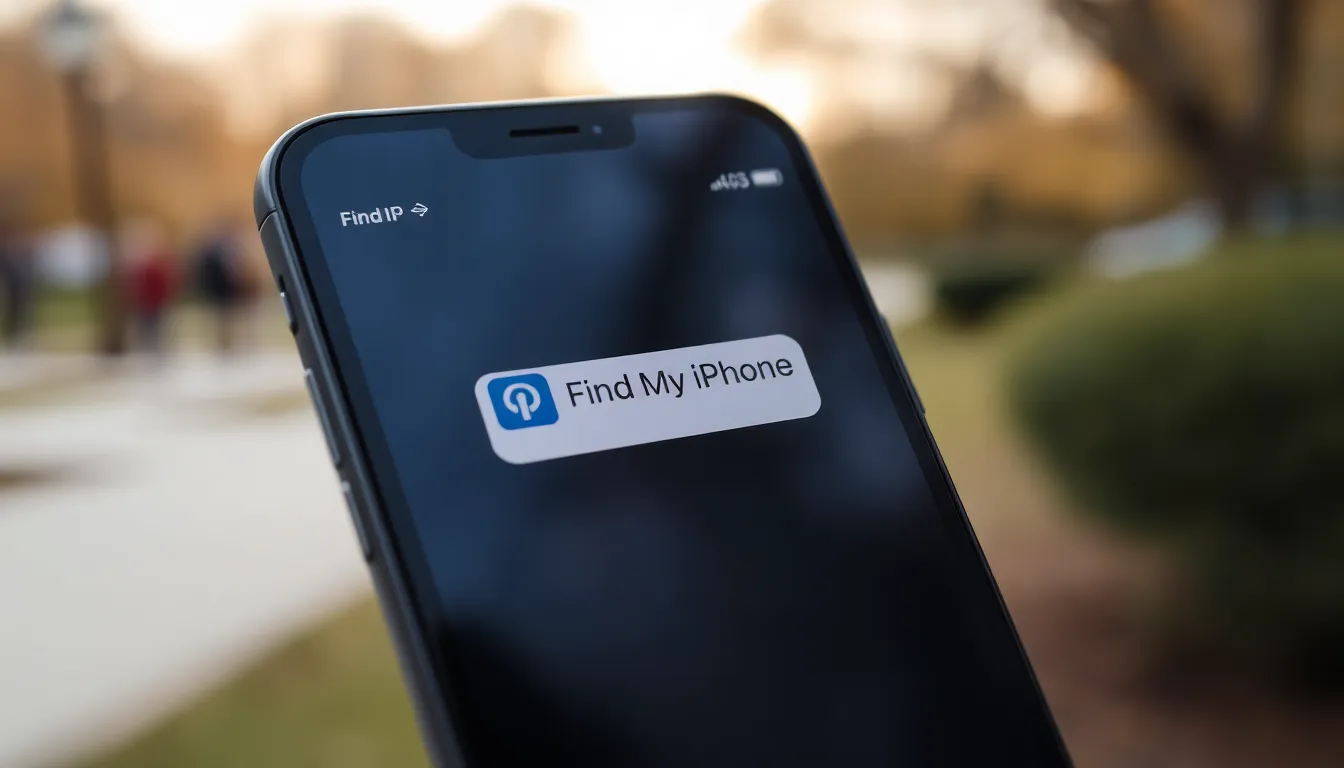
iPhone location services play a crucial role in tracking devices. These services rely on GPS, Wi-Fi, Bluetooth, and cellular signals to determine an iPhone’s location.
How Location Services Work
Location services utilize a combination of technologies. GPS provides precise location data outdoors. Wi-Fi networks help estimate locations indoors, where GPS signals may be weak. Bluetooth beacons assist in pinpointing nearby devices, enhancing accuracy. The data from these methods integrates seamlessly, allowing the device to relay its current location to users or predetermined services. Privacy settings protect user data, requiring consent for location tracking.
Importance of Find My iPhone
Find My iPhone serves as a vital tool for device security. This built-in app allows users to locate their devices using the last known location, even when turned off. The “Send Last Location” feature activates before the battery dies, ensuring users receive critical information. When Find My iPhone is enabled, tracking becomes feasible, as it can signal locations when the device powers off. This feature fosters peace of mind, as users can respond quickly to potential loss or theft.
Can You Track an iPhone That Is Turned Off?
Tracking an iPhone becomes challenging when it’s turned off. The ability to locate a powered-down device significantly diminishes due to the absence of active signals.
Explanation of Device Tracking Limits
Tracking relies on continuous signals from the device. When turned off, an iPhone stops sending any data to the network. Consequently, standard tracking methods become ineffective. Apple’s “Find My” app can only display the last known location until the device shuts down. Users would see this last location if “Find My” is enabled. Privacy features prevent constant location updates, ensuring the device cannot be tracked indefinitely when powered off. GPS, Wi-Fi, and cellular signals contribute to locating devices, but they cease functioning without power.
Conditions for Tracking When Off
Certain conditions can enhance tracking capabilities. If “Send Last Location” is activated, the device sends its final position before draining the battery. This feature provides a crucial advantage for users trying to track a lost iPhone. However, users must enable “Find My” in the device settings for this to take effect. The last location remains only temporarily visible. After a period, the device no longer displays its whereabouts. Tracking becomes impossible until the iPhone powers on again. These conditions emphasize the importance of proactive settings for users concerned about device loss.
Alternative Methods for Tracking
Users often seek alternative methods to track an iPhone that is turned off. While standard tracking via the “Find My” app has limitations, other options may offer additional insights.
Using Third-Party Applications
Third-party applications can enhance tracking capabilities, even when an iPhone is turned off. Some popular apps, like Life360 and Glympse, provide location sharing features. These applications function by utilizing a combination of GPS, Wi-Fi, and other location data to maintain visibility of contacts’ whereabouts. Some users find value in apps that allow family and friends to share their locations continually. They offer peace of mind, especially for those concerned about safety. However, reliance on such applications might require prior setup and consent from all parties involved.
Legal and Ethical Considerations
Tracking an iPhone raises essential legal and ethical considerations. Consent remains crucial, as unauthorized tracking can violate privacy rights. Many jurisdictions enforce strict laws regarding location tracking without explicit permission. Responsible usage of tracking tools ensures compliance with legal standards and ethical norms. Users must consider the implications of tracking others, particularly regarding relationships and trust. Respecting privacy fosters a sense of security for all parties involved in location sharing.
Tracking an iPhone that’s turned off presents significant challenges due to the lack of active signals. While the “Find My” app offers a way to view the last known location, this information is only temporarily available. Users can enhance their chances of locating their device by enabling features like “Send Last Location” before a device powers down.
Proactive measures such as keeping devices charged and utilizing location-sharing apps can provide additional peace of mind. However, it’s crucial to consider legal and ethical implications when using tracking tools. By understanding these limitations and taking preventive steps, users can better safeguard their devices and reduce anxiety associated with losing them.

