

When it comes to choosing between the iPhone XR and XS, it’s like picking your favorite child—if your children were sleek pieces of technology. Both models boast impressive features, but they come with different price tags and perks that could sway your decision. The XR is like that fun-loving friend who’s always down for an adventure, while the XS is the sophisticated one who’s got a taste for the finer things in life.
Let’s face it: in the battle of the iPhones, it’s not just about looks. It’s about performance, battery life, and whether you can resist the urge to post yet another food pic on Instagram. So, which one will steal your heart and your wallet? Buckle up as we dive into the details to help you make the ultimate choice between these two Apple titans.
Overview of iPhone XR and XS
The iPhone XR features a 6.1-inch Liquid Retina display, providing vibrant colors and sharp images. In contrast, the iPhone XS offers a 5.8-inch Super Retina OLED display, ensuring deeper blacks and better contrast. Battery life varies significantly; the XR lasts up to 25 hours of talk time, while the XS provides around 20 hours.
Camera capabilities draw attention when comparing the two models. Both devices sport a 12-megapixel rear camera. The XR, however, excels with its Smart HDR feature, enhancing photo quality in challenging lighting. The XS also has Smart HDR, plus a dual-camera system, allowing for advanced portrait photography.
The performance aspect showcases the A12 Bionic chip in both phones, ensuring smooth operation. Differences emerge in RAM; the XS includes 4GB, whereas the XR has 3GB. Such distinctions impact multitasking efficiency, especially when handling resource-intensive applications.
When discussing design, users notice the materials used. The XR has an aluminum and glass body, while the XS utilizes surgical-grade stainless steel, contributing to a premium feel. Color options also vary; the XR presents more vibrant colors, appealing to a younger audience, while the XS features classic tones like gold and silver.
Price may influence purchasing decisions. The XR generally comes with a lower price tag compared to the XS, making it a budget-friendly choice. Each model serves different preferences and needs, ensuring that consumers have options for every lifestyle. Choosing between these models involves considering personal priorities, whether in performance, design, or cost.
Design and Build Quality
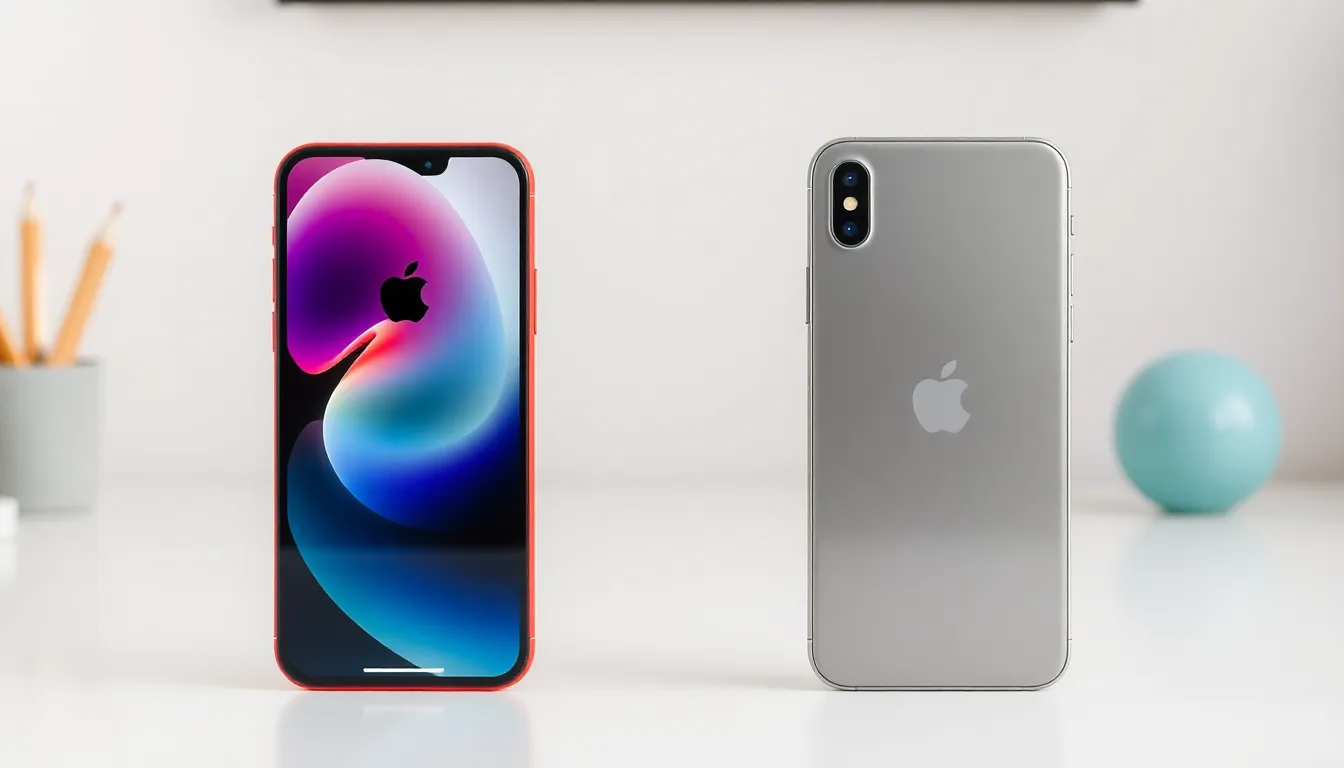
The design and build quality of the iPhone XR and XS contribute significantly to their appeal. Each model presents unique features that cater to different tastes.
Size and Weight Comparison
The iPhone XR measures 6.1 inches and weighs 194 grams. In contrast, the iPhone XS has a slightly smaller 5.8-inch screen and is lighter at 177 grams. Users seeking a larger display may prefer the XR for its extra real estate. However, some might favor the XS due to its compact and lightweight design, which enhances portability. Balance is also an essential factor, as both phones allow for comfortable one-handed use, though the XS might feel less bulky.
Material Differences
Material choice plays a crucial role in the feel and durability of these devices. The iPhone XR combines an aluminum frame with a glass back, providing a sturdy yet stylish appearance. Meanwhile, the XS boasts a premium surgical-grade stainless steel frame, which enhances its luxurious look and feel. While the XR offers a variety of vibrant colors, the XS retains classic tones such as gold and silver. Consumers seeking elegance lean toward the XS, whereas those desiring fun colors may gravitate toward the XR.
Display Technology
Display technology plays a crucial role in the user experience of the iPhone XR and XS. Both models offer distinct advantages that cater to different preferences.
Screen Size and Resolution
The iPhone XR features a 6.1-inch Liquid Retina display with a resolution of 1792 x 828 pixels. This size provides ample space for media and apps. In contrast, the iPhone XS boasts a smaller 5.8-inch Super Retina OLED display, which offers a higher resolution of 2436 x 1125 pixels. This superior resolution enhances the clarity and detail of images. While the XR’s larger screen appeals to users who enjoy multimedia consumption, the XS’s compact design allows for easier one-handed use without sacrificing quality.
Color and Brightness
Color and brightness characteristics differ significantly between the two models. The XR offers a brightness level of 625 nits, ensuring visuals remain vibrant even in daylight. It displays a wide color gamut, making images pop with lively hues. Alternatively, the XS features an impressive brightness of up to 1200 nits, particularly beneficial for HDR content. Its OLED technology produces deeper blacks and more dynamic contrast ratios, enhancing overall viewing quality. Users prioritizing cinematic experiences may prefer the XS for its superior color performance and brightness capabilities.
Performance and Hardware
Performance and hardware showcase distinct strengths between the iPhone XR and XS, influencing user experience greatly.
Processor and Speed
Both the iPhone XR and XS utilize Apple’s A12 Bionic chip, ensuring powerful performance. The XS has an advantage with 4GB of RAM, enhancing multitasking capabilities. In contrast, the XR operates with 3GB of RAM, which may limit its efficiency under heavy loads. Users running multiple applications might find the XS offers a smoother experience. Tasks such as gaming and video editing benefit from the XS’s additional memory. Each model delivers impressive performance, but those prioritizing speed and handling complex apps might lean toward the XS.
Battery Life and Charging
When considering battery life, the iPhone XR exceeds with up to 25 hours of talk time, while the XS lasts approximately 20 hours. This discrepancy appeals to users who require extended usage without recharging frequently. Charging capabilities remain similar, with both models supporting fast charging and wireless charging for convenience. Users seeking longevity may prefer the XR, especially for day-long activities without access to a charger. Overall, both devices offer solid battery performance, but the XR’s superior longevity stands out for heavy users.
Camera Capabilities
Camera features play a significant role in comparing the iPhone XR and XS, with each model offering unique advantages. The iPhone XR excels in delivering vibrant photos thanks to its Smart HDR technology, which enhances highlights and shadows for improved color accuracy.
Rear Camera Features
Both the XR and XS feature a 12-megapixel rear camera, ensuring high-quality images. The XS has a dual-camera system that includes a telephoto lens, allowing for optical zoom and enhanced portrait capabilities. Portrait mode on the XS operates with advanced background blur adjustments, producing professional-looking images. In contrast, the XR focuses on single-camera efficiency while utilizing Smart HDR to capture stunning detail in various lighting conditions. Features like optimal exposure adjustments stand out, cementing the XR as an excellent choice for casual photography.
Front Camera and Selfies
The front camera on both models offers a 7-megapixel sensor, catering to selfie enthusiasts. The XS provides additional capabilities through its advanced portrait mode, featuring depth control for more refined images. XR users enjoy effective portrait lighting modes, making it easy to achieve impressive self-portraits. Both cameras support 1080p HD video recording, ensuring clarity for video calls and memories. Enhanced features on the XS may appeal to users seeking the best results, while the XR remains a strong contender for users prioritizing vibrant selfies.
Price and Value
Pricing plays a vital role in the decision between the iPhone XR and XS. The XR generally offers a lower price point, making it an appealing option for budget-conscious consumers. In contrast, the XS comes with a higher price tag, reflecting its premium materials and advanced features.
Cost Comparison
The iPhone XR starts around $499, while the XS begins at approximately $999. These figures show a significant difference, which influences many buyers’ choices. Consumers seeking affordability often lean toward the XR. Those desiring top-tier performance and features may justify the XS’s higher cost. Evaluating long-term value is essential, as both devices offer competitive warranties and software support.
Features for Price
Both models pack impressive features, making them stand out in the smartphone market. The XR provides a fantastic balance of performance and price, boasting the A12 Bionic chip and great battery life. On the other hand, the XS offers premium features like better camera quality and an OLED display. Buyers inclined toward photography or media consumption might see the XS as worth the extra investment. The XR’s vibrant color options and solid performance cater to a younger, more adventurous audience. Considering these attributes, prospective buyers can weigh the features against the price for a more suitable choice.
User Experience and Software
User experience and software play a significant role in distinguishing the iPhone XR from the XS. Both models run on Apple’s iOS, ensuring access to the latest features, updates, and security enhancements.
iOS Features
iOS offers features like FaceTime, iMessage, and Siri on both models, providing a seamless communication experience. Notably, the integration of camera capabilities caters to different user preferences. The XR excels with Smart HDR technology, enhancing photo quality, while the XS improves video recording with advanced stabilization. Users benefit from features such as Screen Time for tracking usage and Dark Mode for visually appealing interfaces. Frequent updates ensure both devices remain current with the latest enhancements.
User Interface Differences
User interface varies slightly between the two models due to their display sizes. The XR’s 6.1-inch screen offers a more spacious workspace for multitasking, enhancing user efficiency in apps. On the other hand, the XS’s 5.8-inch OLED display provides sharper visuals, emphasizing color accuracy. Interaction feels intuitive on both devices, but users may notice smoother navigation on the XS due to its additional RAM. The layout remains consistent across both phones, ensuring familiarity for users transitioning between models.
Choosing between the iPhone XR and XS ultimately hinges on individual needs and preferences. The XR stands out for its affordability and impressive battery life, making it a solid choice for users seeking value and longevity. Its vibrant display and fun color options appeal to a younger demographic.
On the other hand, the XS caters to those who prioritize advanced features and premium design. With its superior display technology and enhanced camera capabilities, it’s ideal for photography enthusiasts and users who demand high performance.
Both models offer a fantastic user experience, but understanding personal priorities will guide the right decision. Whether it’s budget considerations or feature-rich performance, each phone has its unique strengths to meet different lifestyles.

